From Resistance to Readiness: Engaging Families in Fall Risk Planning
A practical, compassionate guide to navigating conversations about fall risk, without damaging trust, independence, or dignity.
A practical, compassionate guide to navigating conversations about fall risk, without damaging trust, independence, or dignity.
If you work with older adults, or support families navigating this stage of life, you’ll know how delicate the conversation around fall risk can be. Clients may have already tried to raise it with their loved one, only to be met with resistance, upset, or a firm change of subject.
That’s not a failure of communication. It’s a very human response to a very human fear.
At iCareiMove, we work alongside health professionals, care coordinators, and family support services every day. We understand that fall prevention isn’t just a clinical issue, it’s an emotional one. And the families you support need more than information. They need a framework for having the conversation in the first place.
When older adults push back on conversations about fall risk, it’s rarely about denial. More often, it’s rooted in fear; of losing independence, of being perceived as less capable, or of becoming a burden. Understanding this helps the people around them lead with compassion rather than concern, and keeps the dialogue open rather than shutting it down.

For family members unsure how to begin, these prompts can help shift the tone from warning to wondering:
“Mum, I’ve been thinking about you lately. How are you feeling on your feet, do you ever feel unsteady?”
“Dad, I just want to make sure you feel confident and safe at home. Is there anything that’s been feeling a bit harder recently?”
“I’m not saying anything’s wrong, I just love you and want us to think ahead together. Can we have a chat about it?”
The framing here is deliberate; these invite rather than alarm. They say “I care” rather than “I’m worried.” They communicate care, rather than crisis.
Even the gentlest approach can be met with resistance. This doesn’t mean the approach has failed. Here’s how to respond without escalating:
When your loved one is ready to think about next steps, falls prevention doesn’t have to feel overwhelming. Small changes can make a real difference:
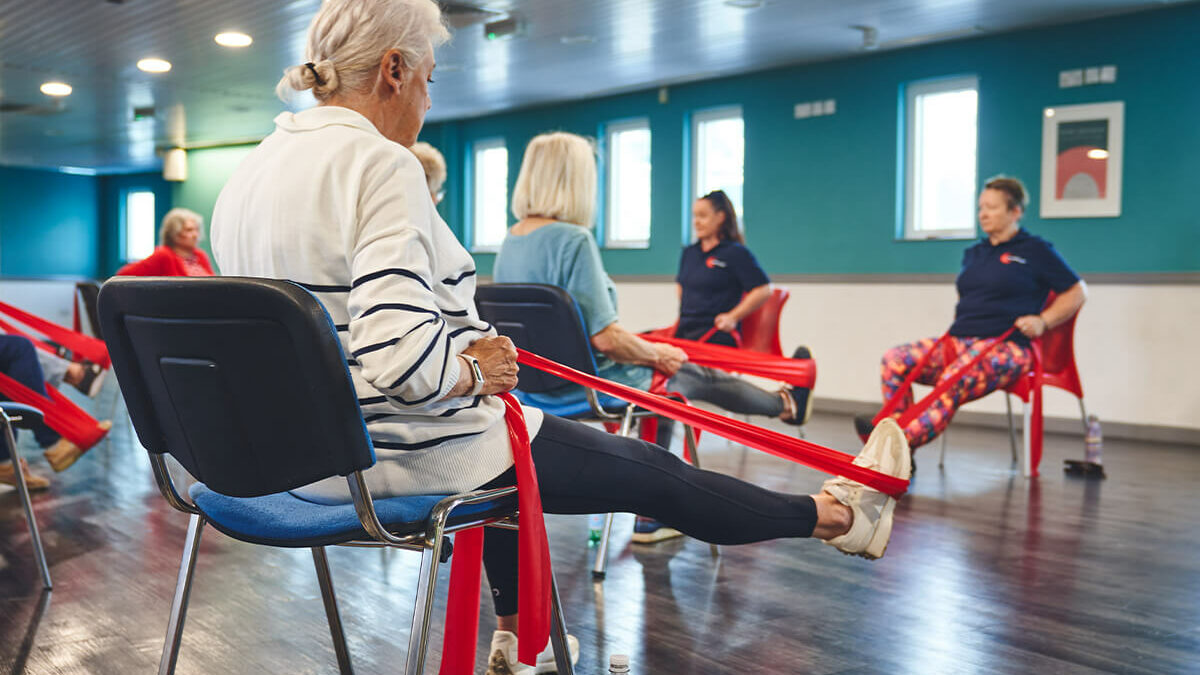
Research consistently shows that regular physical activity is one of the most powerful ways to reduce fall risk. Balance, strength, and coordination don’t have to decline with age, with the right support, they can genuinely improve.

When your clients or their families are ready to take action, Move More offers a structured, evidence-based next step.
Designed specifically for older adults, Move More delivers:
Many participants tell us Move More didn’t just help them feel steadier on their feet, it helped them feel like themselves again.
We know these conversations aren’t easy, for families, or for the professionals supporting them. Our role is to be a trusted next step when the time is right.